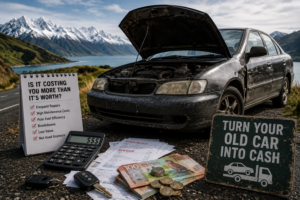
Selling a car for the first time can feel overwhelming, especially if the vehicle is no longer running, has been sitting in the driveway for months, or has become too expensive to repair. Questions like “How much is my car worth?”, “Do I need to organise transport?”, or “What paperwork do I need?” are common, and if you’ve never sold a vehicle before, it’s easy to assume the process will be complicated.
The good news is that it doesn’t have to be.
Cash for Cars services in New Zealand are designed to make selling unwanted vehicles straightforward. Whether your car is damaged, old, deregistered, or simply no longer suits your needs, the process is usually completed in just a few simple steps.
Reputable Car removal companies across New Zealand purchase thousands of unwanted vehicles every year, making the process quick, legal, and hassle-free for private vehicle owners.
This guide explains exactly how wrecking companies work in New Zealand, what to expect during the process, and how to ensure you’re getting a fair deal.
Why More New Zealanders Are Choosing Cash for Cars Services
Selling a car privately isn’t always as easy as it sounds. You need to create listings, answer endless messages, arrange inspections, negotiate with buyers, and hope someone actually turns up. If your vehicle has mechanical problems or accident damage, finding the right buyer can become even more difficult.
That’s why many people choose a Cash for Cars service instead. It’s a convenient option for:
- Vehicles that no longer pass a Warrant of Fitness (WoF)
- Cars with expensive mechanical repairs
- Accident-damaged vehicles
- Old vehicles that have reached the end of their useful life
- Cars are taking up valuable garage or driveway space.
- People who want to sell quickly without unnecessary stress
Instead of spending weeks looking for a buyer, you can often complete the entire process within a day.
Step 1: Request a Free Quote from a Cash for Cars Company in New Zealand
Everything begins with a simple enquiry. Most Cash for Cars companies will ask for a few basic details about your vehicle, including:
- Make and model
- Year of manufacture
- Vehicle condition
- Whether it’s running
- Current location
- Registration details (if available)
Don’t worry if your car has dents, scratches, engine problems, or missing parts. Providing honest information helps the buyer give a more accurate quote from the beginning. The more details you provide, the smoother the process will be.
Step 2: How Cash for Cars Companies Calculate Your Offer
After reviewing your vehicle information, you’ll receive an offer based on several factors. These usually include vehicle age, make and model, overall condition, demand for reusable parts, scrap metal value and current market conditions.
Many first-time sellers think a car that doesn’t run isn’t worth anything. But even damaged or unwanted vehicles often have reusable parts and materials that make them valuable. If you like the offer, you can move on to the next step with no obligation.

Step 3: Schedule Vehicle Collection
One of the primary benefits of using a Car removal service is that you do not have to move the car yourself. Once you accept the offer, we will plan a collection time that works for you. This is especially helpful if:
- The vehicle won’t start.
- The registration has expired.
- It’s unsafe to drive.
- The car has been involved in an accident.
Many companies across New Zealand offer free vehicle removal, saving you the cost and hassle of organising a tow truck.
Step 4: Prepare the Vehicle Before Collection
Before handing over your vehicle, there are a few simple things worth doing.
Remove Personal Belongings
It’s surprising how many valuable items are left inside cars. Check the glove box, centre console, boot, door pockets, under the seats, and the sunglasses holder. Take a few extra minutes to make sure nothing important gets left behind.
Gather Important Documents
While requirements can vary by vehicle, having documents ready can help speed up the collection process. These may include photo identification, vehicle ownership details and
registration information (if available). If you’re unsure about the paperwork, simply ask the buyer beforehand.
Step 5: Vehicle Inspection
When the collecting crew arrives, they will evaluate the car to ensure it matches the previously provided description. This inspection isn’t designed to catch sellers by surprise. It’s simply a final check to ensure the vehicle matches the description provided during the quotation process.
If everything matches the original information, the agreed-upon price usually remains constant. Being honest in the initial quote helps to minimise surprises for everyone concerned.
Step 6: Complete the Sale and Receive Payment
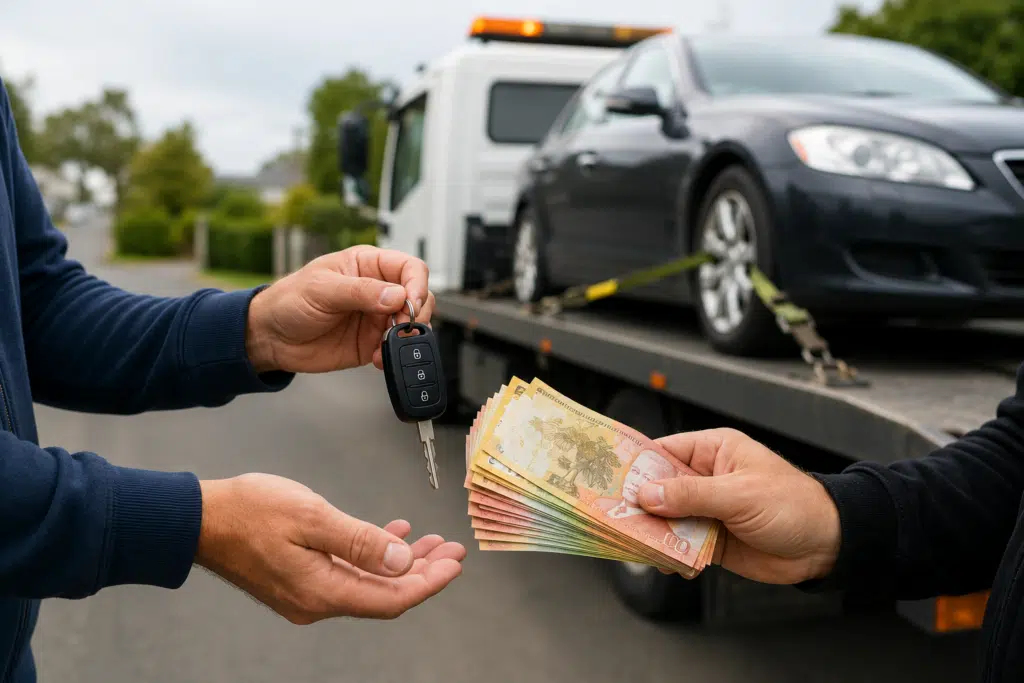
When both parties are satisfied, the transaction is concluded. Depending on the firm and payment method, you will be paid as agreed before the car is hauled away.
The collection team then loads the vehicle and transports it safely from your property. For most sellers, this is the easiest part of the entire process. Within a short time, the unwanted vehicle is gone, and the space it occupied is yours again.

What Happens to Your Car After It’s Collected?
Many people assume unwanted vehicles go straight to a scrapyard. In reality, the process is much more organised. After collection, the vehicle is carefully assessed.
Reusable Parts Are Removed
If components are still in good condition, they may be inspected, tested, and prepared for reuse.
These can include engines, gearboxes, alternators, starter motors, doors, mirrors, headlights, wheels, and interior components. Reusing quality parts helps keep repair costs more affordable for other vehicle owners.
Materials Are Recycled
Once the useful pieces have been removed, the leftover vehicle materials are recycled where possible. Materials frequently recovered include steel, Aluminium, copper and various other metals. Modern vehicle recycling helps reduce waste while allowing valuable materials to be used again in future manufacturing.
How to Get the Best Price for Your Car
- Be honest about the condition.
- Remove personal belongings.
- Provide accurate vehicle details.
- Compare more than one quote.
- Have ownership documents ready.
- Don’t delay selling if repair costs keep increasing.
Conclusion
Selling an unwanted vehicle for the first time can be intimidating, but if you follow the steps, it’s really simple. Every stage of the process, from obtaining an estimate and arranging collection to receiving payment and having the car removed, is intended to make life easier for vehicle owners.
Whether your car is old, damaged, unwanted, or no longer economical to repair, a reputable service lets you sell it without the hassle of private listings or lengthy negotiations.
If you’re ready to free up space and sell your vehicle with confidence, understanding how the process works is the first step towards making an informed decision.
Common Questions First-Time Sellers Ask
If you’ve never sold a vehicle through a Cash for Cars service before, it’s completely normal to have questions. Here are some of the most common ones.
Can I sell a car that doesn’t run?
Yes. Many businesses regularly purchase vehicles that have engine problems, transmission issues, accident damage, or other faults.
Does my car need a current WoF?
Not necessarily. Many unwanted vehicles no longer have a valid Warrant of Fitness, which is one reason owners decide to sell them.
What if my registration has expired?
In many cases, expired registration isn’t a problem. Be sure to mention it when requesting your quote.
How long does the process usually take?
While timing varies by location and availability, many sellers complete the process on the same day or the next business day after accepting an offer.