

Finding out that your car’s Warrant of Fitness has expired can make selling it seem more complicated than it needs to be. You may already know the car needs repairs, or perhaps it has been sitting unused for months and getting another WOF simply doesn’t seem worthwhile.
The good news is that having no current WOF doesn’t necessarily mean you have to repair the car before you can sell it. However, there are rules governing the sale and use of vehicles without a current WOF in New Zealand, so it’s important to understand what applies before handing the car over to someone else.
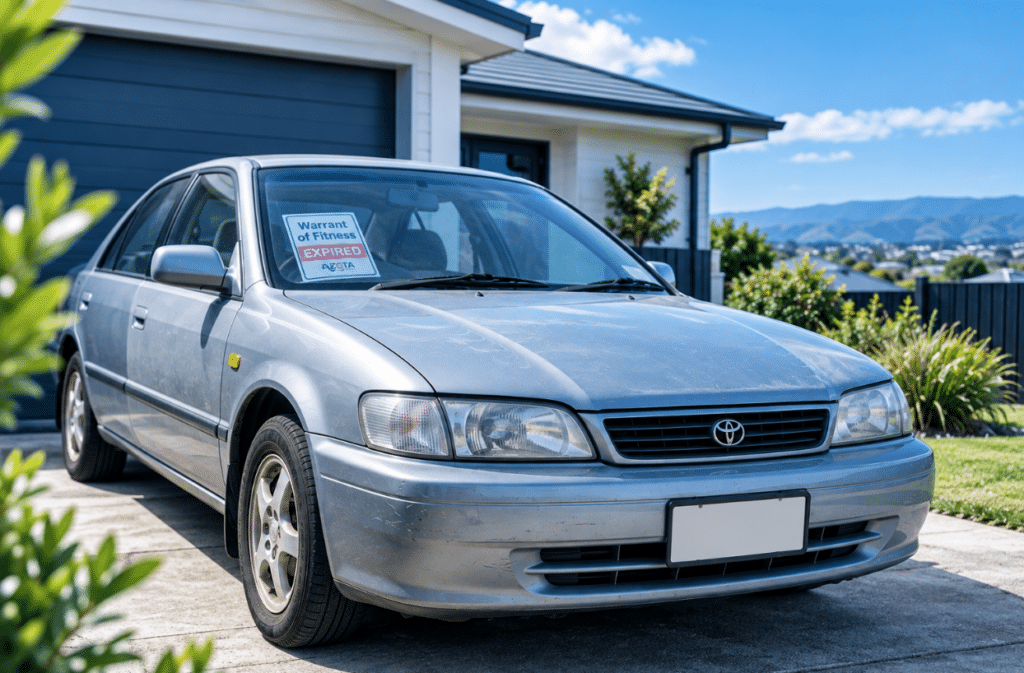
Here’s what you need to know if you’re thinking about selling a car without a WOF.
Can You Sell a Car Without a Current WOF in New Zealand?
Yes, a vehicle can be sold without a current Warrant of Fitness in New Zealand, but the WOF status needs to be dealt with correctly as part of the sale.
A WOF relates to whether a vehicle meets the required safety standards for use on the road. It is separate from the process of transferring a vehicle from one person to another.
That distinction is important because an expired WOF doesn’t automatically make a car impossible to sell. What matters is being clear about the vehicle’s condition and following the requirements that apply when selling it without a current warrant.
If you’re selling privately, don’t simply assume that telling the buyer the WOF has expired is enough. Check the current NZTA requirements regarding the WOF at the time of sale and any written acknowledgement that may be required.
Why Do Cars End Up Being Sold Without a WOF?
Sometimes a WOF simply expires because a vehicle hasn’t been used for a while. In other cases, the owner already knows there are repairs needed before the car is likely to pass another inspection.
For an older car, those repairs can leave the owner with a decision to make.
Is it worth spending more money on the vehicle before selling it, or would it make more sense to sell it in its current condition?
There isn’t one answer that applies to every car. If the vehicle is otherwise in good condition and only needs minor work, getting another WOF may make it easier to sell. If it has several mechanical problems, accident damage or isn’t running at all, putting more money into it before selling may not make financial sense.
Do You Need to Tell the Buyer There Is No Current WOF?
You should always be clear about the vehicle’s current WOF status.
Don’t advertise a car in a way that could give a potential buyer the impression that it has a current warrant when it doesn’t. If the WOF has expired or you know the vehicle has issues that may affect its ability to pass an inspection, make that clear before agreeing to the sale.
Being upfront also makes the selling process easier. A buyer who knows the condition of the vehicle from the beginning can decide whether it suits them before arranging an inspection or making an offer.
For the legal requirements applying to a vehicle sold without a current WOF, follow the current NZTA guidance rather than relying on an informal agreement alone.
Can You Drive a Car Without a Current WOF?
This is where sellers need to be particularly careful.
Selling a car and driving it on a public road are two different issues. A vehicle without a current WOF cannot simply be treated in the same way as a fully road-legal vehicle.
There can be specific rules and limited circumstances concerning the use of a vehicle without a current WOF, so don’t assume it’s okay to drive the car to a buyer, take it on a test drive or move it across town simply because it has been sold.
Check the current NZTA requirements before driving it.
If the car cannot legally or safely be driven, arranging transport or collection is the simpler option.
Does Having No WOF Make a Car Worthless?
No.
An expired WOF doesn’t mean that the vehicle suddenly has no value.
What someone is prepared to pay will depend on the car itself and why it doesn’t have a current warrant. A vehicle that simply hasn’t been used recently is very different from one with serious mechanical problems or accident damage.
A buyer is likely to consider the work that may be required to get the vehicle back on the road. The greater the uncertainty or potential repair cost, the more that may influence the offer.
For vehicles that are unlikely to return to the road, value may instead come from usable components and recyclable materials.
What Affects the Value of a Car Without a WOF?
Several things can influence what a no-WOF vehicle is worth.
The make, model, age and kilometres all matter, but condition is particularly important. Whether the engine runs, whether the vehicle is complete, the extent of any accident or mechanical damage and the condition of major components can all affect its value.
The reason for the missing WOF matters too.
For example, a car with an expired warrant because it has been sitting unused isn’t necessarily in the same position as a vehicle that recently failed an inspection and requires substantial repairs.
This is why it’s useful to describe the vehicle accurately when asking for a quote rather than focusing only on the fact that it doesn’t have a WOF.
Should You Repair the Car Before Selling It?
Not necessarily.
Before spending money, consider what the repairs are likely to cost and whether completing them will make enough difference to the car’s selling value.
For relatively minor work on an otherwise good vehicle, getting the repairs completed and obtaining a fresh WOF may make the car more attractive to buyers.
The decision becomes less straightforward when an older vehicle needs several repairs.
Spending a significant amount simply to get the car through another inspection may not make sense if you already intend to sell it. In that situation, getting an offer for the vehicle in its current condition gives you something to compare against the cost of repairing it.
You can then decide which option makes more sense for you.
What If the Car Is Damaged or No Longer Running?
A missing WOF is often only one part of the problem.
Some cars have been sitting unused because of an engine or transmission problem. Others may have accident damage, electrical faults or repair costs that the owner no longer wants to take on.
If your vehicle is in that position, you don’t necessarily need to repair it simply to find out whether someone will buy it.
Vehicle buyers and car removal companies may accept cars in their current condition, including vehicles that are damaged or not running. Depending on the service, collection may also be available, which can be useful when the vehicle can’t be driven.
For Metro Car Removal, this is the most natural point in the article to link to your damaged car removal or car removal service rather than turning the entire article into an advertisement.
What Happens to a No-WOF Car That Is No Longer Worth Repairing?
Not every vehicle without a WOF needs to return to the road.
When repairing an older or badly damaged vehicle is no longer worthwhile, parts of the car may still be reusable or recyclable.
Depending on the condition of the vehicle, usable components may be recovered while materials such as steel and aluminium can be recycled. Vehicles also contain fluids and other materials that need to be handled appropriately during dismantling.
This is one reason an old or damaged car may still have some value even when getting another WOF isn’t practical.
What Paperwork Do You Need When Selling the Car?
Don’t overlook the administrative side of the sale simply because the vehicle doesn’t have a WOF.
When a vehicle changes hands, the appropriate NZTA requirements need to be completed so the change is properly recorded. The process is separate from the vehicle’s WOF status.
Make sure you follow the current NZTA process for the seller and that the buyer understands what they need to do as well.
If the vehicle is being permanently taken off the road rather than sold for continued use, different requirements may apply. Check the appropriate NZTA process for your particular situation.
What Should You Do Before Selling a Car Without a WOF?
Start by being clear about the vehicle’s condition.
If you know why the car doesn’t have a current WOF, mention it. If you’re aware of mechanical problems or damage, describe them accurately rather than waiting until someone arrives to inspect the vehicle.
Remove your personal belongings from the car and check the boot, glovebox and storage compartments. Have the vehicle’s relevant details available when requesting a quote, including the make, model, year and general condition.
And don’t feel pressured to accept the first offer you receive. If you’re unsure about the value, getting more than one quote can give you a better idea of your options.
Selling a Car Without a WOF in Palmerston North
If you have an unwanted car in Palmerston North that doesn’t have a current WOF, the first question shouldn’t automatically be, “How much will it cost me to fix it?”
Find out what the car is worth in its current condition as well.
That gives you something practical to compare with the cost of repairs. For some vehicles, repairing the car before selling may make sense. For an older, damaged or non-running vehicle, selling it as it stands may be the more practical choice.
Metro Car Removal provides an option for Palmerston North vehicle owners who want to get a quote for an unwanted car in its current condition. If the offer suits you, you can then discuss collection and the next steps rather than spending money on repairs simply to put the car up for sale.
Final Thoughts
So, can you sell a car without a WOF in New Zealand?
Yes, but having no current WOF changes some of the things you need to consider.
Be clear about the vehicle’s WOF status, understand the requirements that apply to the sale, don’t assume the vehicle can simply be driven on a public road, and make sure the required change-of-registered-person process is completed correctly.
Most importantly, don’t assume an expired WOF automatically means you need to spend money repairing the car before you can do anything with it.
Find out what the vehicle is worth as it stands, compare that with the likely repair costs, and make the decision that makes sense for your car.
Frequently Asked Questions
Can I legally sell a car without a WOF in New Zealand?
A vehicle can be sold without a current WOF, but specific requirements apply. If you’re selling privately, check the current NZTA rules concerning the WOF at the time of sale and any acknowledgement required from the buyer.
Does an expired WOF mean my car has no value?
No. Its value will depend on factors such as its age, make, model, kilometres, overall condition, damage and whether it still has usable components or recyclable materials.
Should I get a new WOF before selling my car?
It depends on the vehicle and the cost of any required repairs. For a car needing only minor work, obtaining a new WOF may help with the sale. If substantial repairs are required, it’s worth comparing the repair cost with what the vehicle could be worth in its current condition.
Can I sell a damaged or non-running car without a WOF?
Potentially, yes. Some vehicle buyers and car removal companies accept damaged and non-running vehicles, so obtaining a quote in the vehicle’s existing condition can help you decide whether repairing it first is worthwhile.
What should I do after selling the vehicle?
Make sure you complete the appropriate NZTA change-of-registered-person requirements and that the buyer understands their responsibilities as well.

