
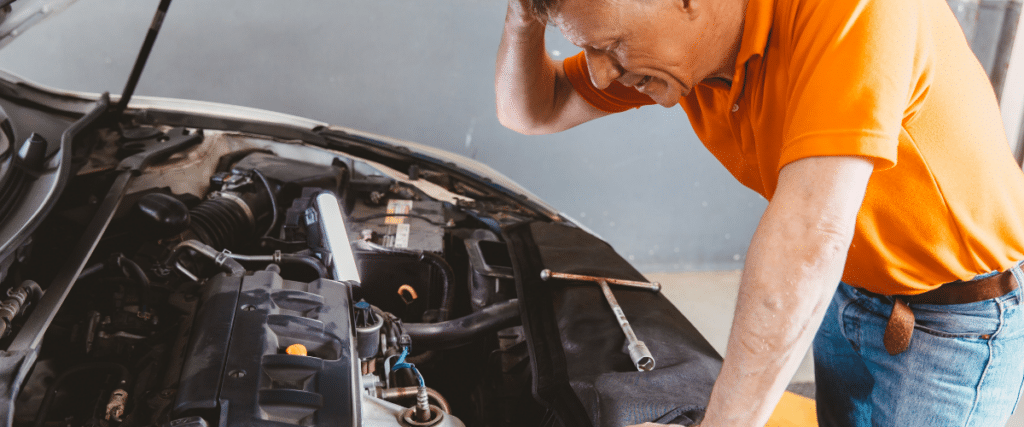
A serious mechanical problem can leave you wondering what to do next. Do you pay for the repair and hope to recover the money when you sell, or sell the car in its current condition and move on?
It could be an engine problem, a slipping transmission, persistent overheating or simply a car that no longer starts. Whatever the fault, having mechanical problems doesn’t automatically mean the vehicle can’t be sold. The more important question is whether repairing it before selling makes financial sense.
For some cars, fixing the problem can be worthwhile. For others, particularly older or high-kilometre vehicles facing an expensive repair, getting an offer in their current condition may give you a better idea of your options.

Can You Sell a Car With Mechanical Problems?
Yes. A car doesn’t have to be in perfect mechanical condition before it can be sold. There are buyers interested in vehicles in many different conditions, from cars with relatively minor faults to vehicles with serious engine or transmission problems.
What matters is being clear about the condition of the car. If you know about a mechanical problem, describe it accurately when advertising the vehicle or requesting a quote.
You don’t need to know every technical detail, but you shouldn’t give a buyer the impression that the vehicle is mechanically sound when you know there is a problem.
What Kind of Mechanical Problems Can a Car Have?
Mechanical problems can range from relatively straightforward repairs to faults that make an owner question whether the car is worth keeping.
Engine problems are an obvious example. A car may be overheating, leaking oil or coolant, making unusual noises or struggling to start. More serious engine damage can leave the vehicle unable to run at all.
Transmission and gearbox problems can also become expensive, particularly when a vehicle starts slipping between gears, develops clutch problems or becomes difficult to drive.
Other issues can involve the cooling system, steering, suspension, electrical components or a combination of several faults.
The type of problem matters, but so does the rest of the vehicle. A single fault in an otherwise good car presents a very different decision from several problems appearing in an older vehicle at the same time.
Should You Repair the Car Before Selling It?
This is where it’s worth doing some basic calculations before approving the repair.
Start with three figures:
What will the repair cost?
What is the car realistically worth once repaired?
What could you get for the car in its current condition?
Suppose repairing a fault significantly improves the car’s value and makes it much easier to sell. In that situation, doing the work may be worthwhile. But if the repair will consume a large proportion of the vehicle’s value, the decision becomes less obvious. The same applies when there are several faults and repairing one problem doesn’t necessarily mean the car won’t need further work.
Before committing to an expensive repair purely because you intend to sell the vehicle, find out what your alternatives are.
When Might Repairing the Car Make Sense?
Not every mechanical problem is a reason to give up on a vehicle. If the fault is relatively inexpensive to fix and the rest of the car is in good condition, repairing it may make the sale easier. This can be particularly relevant when the car still has reasonable market value and resolving one known problem puts it back into good working order.
The important thing is to compare the repair cost with the realistic difference it could make to the vehicle’s value; not simply assume that every dollar spent on repairs will come back when the car is sold.
When Might Selling the Car As-Is Make More Sense?
Selling in its current condition becomes worth considering when the numbers start moving in the other direction.
Perhaps the engine or transmission requires major work. Maybe the car has high kilometres and several other issues are beginning to appear. Or you may simply have reached the point where you don’t want to keep spending money on it. In those situations, getting an as-is quote can help. It doesn’t mean you have to sell the vehicle immediately. It simply gives youanother figure to compare with the repair estimate.
Once you know what the car could be worth without fixing it, you can make a more informed decision about whether spending money on the repair is worthwhile.
Does a Blown Engine Mean the Car Is Worthless?
A blown or badly damaged engine is a major problem, but it doesn’t automatically make the entire vehicle worthless. The engine is only one part of the car. The vehicle’s make, model, age, overall condition and completeness can still matter. Other components may remain usable, while some of the materials in a vehicle can potentially be recovered or recycled.
This is why it’s worth getting an assessment rather than assuming that a car with serious engine damage has no value at all.
Can You Sell a Car With Transmission Problems?
Yes. A faulty transmission doesn’t necessarily prevent a vehicle from being sold either. The effect on its value will depend on the severity of the problem and the condition of the rest of the car.
A vehicle that still runs but has started developing transmission symptoms is different from one with a completely failed gearbox that can no longer be driven.
When requesting a quote, describe what you’ve noticed. If the transmission slips, makes unusual noises, or the car won’t select certain gears, mention it. If a mechanic has already diagnosed the problem, provide that information too.
Do You Need a Mechanic to Diagnose the Problem Before Selling?
Not always. If you’ve already had the vehicle inspected, a mechanic’s diagnosis can make it easier to explain what’s wrong. But if you intend to sell the car in its current condition, it may not always make sense to spend a significant amount purely to obtain a detailed diagnosis.
You can explain what you know instead.
For example:
The car starts but overheats after driving.
Or:
The engine turns over but won’t start.
Or:
The transmission slips when changing gears.
That is much more useful than guessing at a technical diagnosis. If a buyer needs further information before making an offer, they can tell you what they require.
What Determines the Value of a Car With Mechanical Problems?
There isn’t a standard price for a mechanically faulty vehicle. The make, model, year and kilometres provide a starting point, but the overall condition of the car is just as important.
The nature of the mechanical problem also matters. A vehicle with one known fault and an otherwise good body and interior isn’t the same as a car with major mechanical damage, missing components and extensive body damage.
Depending on what happens to the vehicle after the sale, usable parts and recyclable materials may also add to its value. That’s why two cars with similar mechanical problems can receive very different offers.
What If the Car Doesn’t Start?
A non-starting car creates another practical issue: getting it to the buyer.
If the vehicle can’t be driven, you’ll need to consider collection or towing as part of the sale. This is one situation where a vehicle buyer or car removal company that provides collection can be useful. Instead of repairing the vehicle simply so it can be moved, you can ask whether it can be collected in its current condition.
Before accepting an offer, confirm whether collection is included and whether there are any additional charges.
What Should You Tell the Buyer?
Be straightforward about anything you know is wrong with the vehicle. If a mechanic has told you the head gasket has failed, say so. If all you know is that the engine suddenly stopped and hasn’t restarted, say that instead. There’s no advantage in trying to diagnose a problem yourself or making the car sound better than it is.
An accurate description also makes it easier to obtain a realistic quote. If the buyer discovers a major problem that wasn’t mentioned when the vehicle is collected or inspected, the original offer may no longer reflect its actual condition.
Get an As-Is Quote Before Spending on Major Repairs
If you’re facing an expensive repair, you don’t necessarily have to make the repair-or-sell decision immediately. Get the repair estimate first. Then find out what the car could be worth as it stands.
For vehicle owners in Palmerston North, Metro Car Removal provides quotes for unwanted vehicles in different conditions, including cars with mechanical problems. If your vehicle can’t be driven, you can also ask about collection when requesting the quote.
You can then compare the figures for yourself:
Repair cost + expected value after repair
versus
What you can receive for the vehicle now without repairing it.
That gives you something concrete to base your decision on.
Final Thoughts
So, can you sell a car with mechanical problems?
Yes. A mechanical fault doesn’t necessarily mean you need to repair the vehicle before it can be sold. The more useful question is whether repairing it makes sense for your particular car.
For a relatively inexpensive fault on an otherwise good vehicle, completing the repair may improve your selling options. For an older vehicle facing major engine, transmission or multiple mechanical problems, finding out what it’s worth in its current condition may be worthwhile before spending more money.
Don’t make the decision based only on the size of the mechanic’s quote or on the assumption that a broken car has no value. Get the numbers, compare your options and decide which approach makes the most sense for the vehicle you actually have.
Frequently Asked Questions
Can I sell my car if it has mechanical problems?
Yes. A vehicle can still be sold with mechanical faults. Be clear about any problems you know about so a potential buyer can assess the car based on its actual condition.
Should I repair my car before selling it?
It depends on the cost of the repair, the vehicle’s overall condition and what it could realistically be worth afterwards. For minor faults, repairing may make sense. Before approving an expensive repair, compare the repair cost with an as-is offer.
Can I sell a car with a blown engine?
Potentially, yes. A failed engine doesn’t mean every other part of the vehicle has lost its value. The overall condition, model, age, completeness and other components can still influence what someone is prepared to pay.
Can I sell a car with a faulty transmission?
Yes. Explain the symptoms or provide the mechanic’s diagnosis if you have one. The severity of the transmission problem and the condition of the rest of the vehicle will influence its value.
Do I need to diagnose the mechanical problem before selling?
Not necessarily. If you don’t have a diagnosis, accurately describe what the car is doing rather than guessing at the fault. A prospective buyer can then decide whether they need further information.
What if my broken car can’t be driven?
You’ll need to consider how the vehicle will be transported. If you’re approaching a vehicle buyer or car removal company, ask whether collection is available and whether it is included in the agreed offer.

